In Ghana’s diverse educational landscape, creating effective learning materials requires more than aligning with the national curriculum. It requires a profound understanding of local contexts, cultural nuances, and the distinct challenges faced by students and teachers nationwide. At EduLeap Consult, we prioritise context-driven content development to enhance learning outcomes.
Understanding the Learner’s Environment
A student in Accra may have different experiences and resources compared to one in Tamale. Recognising these differences is crucial. For instance, incorporating local examples, such as using market scenarios to explain mathematical concepts, makes learning more relatable and effective.
Balancing Print and Digital Resources
While digital learning is on the rise, not all schools have consistent access to electricity or the internet. Therefore, we develop materials that are adaptable to both print and digital formats, ensuring inclusivity and accessibility for all learners.
Language and Cultural Relevance
Language plays a pivotal role in comprehension. We collaborate with local educators to ensure that the language used in our materials resonates with students’ everyday experiences, making learning more intuitive and engaging.
Collaborative Content Development
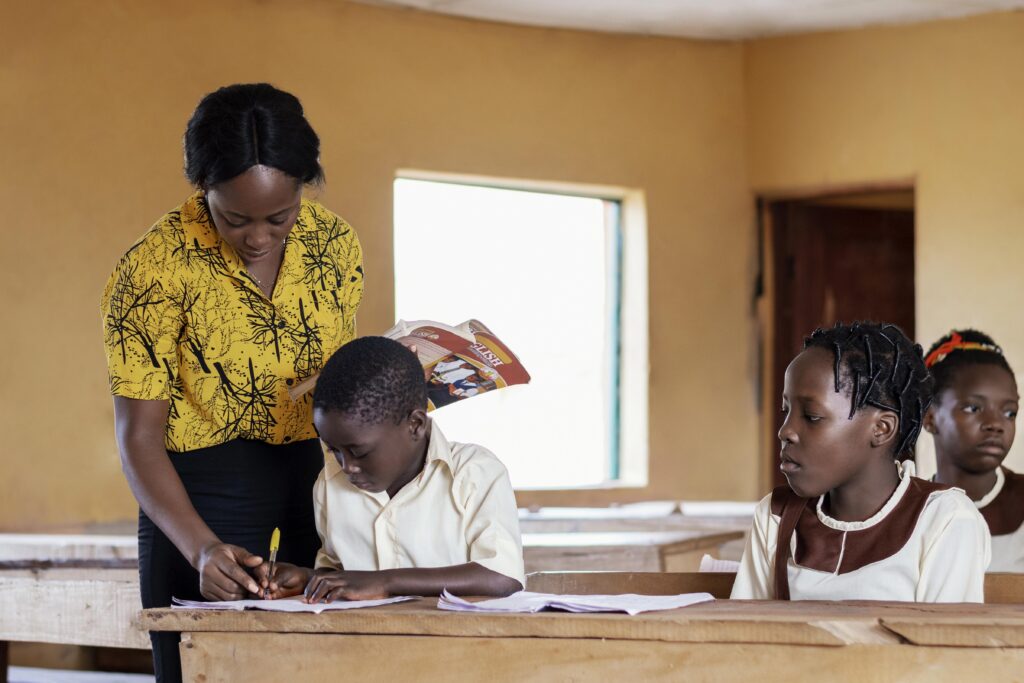
Our approach involves working closely with teachers during the content development process. Their insights help us create materials that are not only educationally sound but also practical and easy to implement in real classroom settings.
Conclusion
Effective educational content in Ghana must be contextually relevant, accessible, and collaboratively developed. At EduLeap Consult, we are dedicated to developing resources that empower both teachers and students, promoting a more effective and inclusive learning environment.