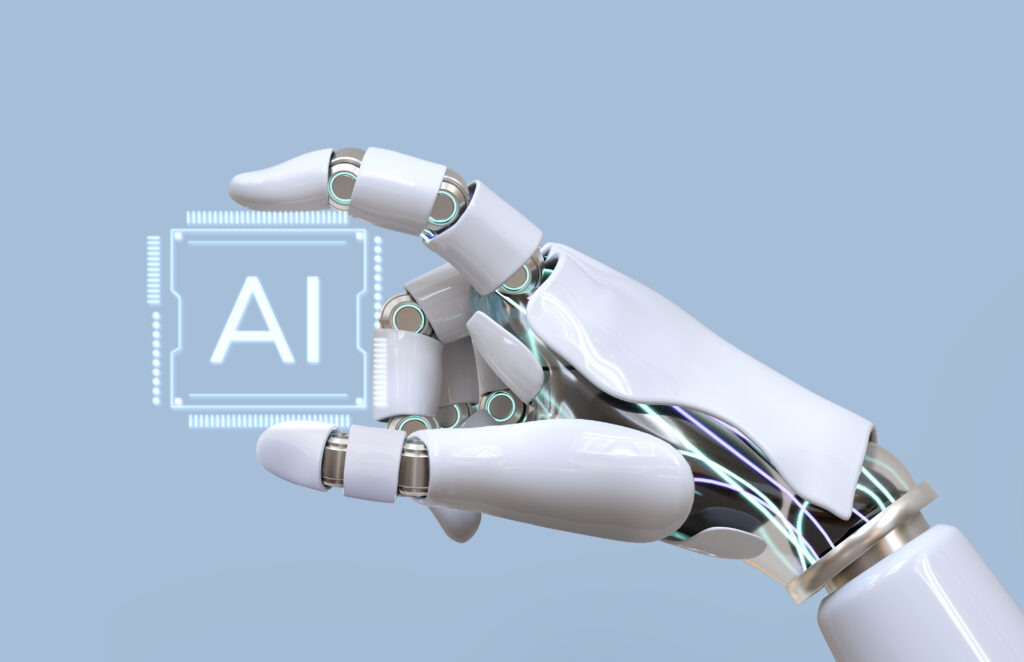
As Artificial Intelligence reshapes education, it brings with it both hope and risk. While it can personalise learning and expand access, it can also exacerbate existing inequalities if not designed responsibly. The question we must ask is not just what AI can do, but what it should do.
Widening or Narrowing the Gap?
High-end AI tools often require stable internet, costly devices, and English proficiency—resources that are unevenly distributed. If AI adoption focuses only on well-resourced schools, the digital divide will grow wider.
The Ethical Dilemmas
Beyond access, there are questions about surveillance, data ownership, and learner autonomy. Some tools monitor student behaviour in ways that raise privacy concerns. Others make decisions based on opaque algorithms.
Guiding Questions for Ethical Use
● Who is this tool designed for?
● Whose data is being used, and how is it protected?
● How will this impact teachers’ roles and relationships with students?
EduLeap’s Commitment to Equity
At EduLeap Consult, we champion responsible innovation. We work with partners to build tools that prioritise transparency, inclusivity, and sustainability. Our work is grounded in both ethics and impact.
AI will continue to shape the future of learning. Let’s ensure that future is fair, empowering, and inclusive for all.